
"Saint Cristóbal"
3000 article(s) found

Smooth and sweet Venezuelan coffee beans introduce boutique coffee
The best coffee names in Venezuela are: Montebello in San Cristobal (San Cristbal de Tachira) in Tazira, Miramar in Rubio (Rubio de Tachira) in Tazira, Granija in Timothe (Timote de Merida) in Merida, and Santa Ana in Tacira (San)

Introduction to Santa Cruz Manor
I was startled by his appearance when I got the bean. The shape of the raw bean is very beautiful, the body is quite full, and the size and defect rate can be compared with the beans from Sigri Manor in Papua New Guinea and the Peak Farm in Australia. In 1869, Mr. Manuel Corpos, the first owner of the Galapagos Islands, hoped to find a fit.
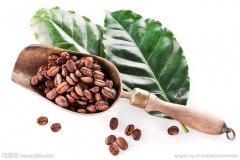
Coffee in Venezuela Other Coffee in Latin America Boutique Coffee
The distinctive manor coffee comes from this oil-rich country. Oil was once considered Venezuela's main export. Although coffee trees were introduced from Martinique as early as 1730 and Venezuela, coffee production was almost abandoned during the heyday of the oil industry. Coffee plantations have recently begun to revive, with the original plantations of Tipica and

Smooth and sweet Venezuelan coffee beans
The best coffee names in Venezuela are: Montebello in San Cristobal (San Cristbal de Tachira) in Tazira, Miramar in Rubio (Rubio de Tachira) in Tazira, Granija in Timothe (Timote de Merida) in Merida, and Santa Ana in Tacira (San)

Venezuela's distinctive manor coffee comes from this oil-rich country.
The distinctive manor coffee comes from this oil-rich country. Oil was once considered to be the main export of Venezuela. Although coffee trees were introduced from Martinique in 1730 and Venezuela, coffee production was almost abandoned at the height of the oil industry. Recently, coffee plantations have begun to recover, with the original planting of Tipica and

Delicious and light Venezuelan coffee beans from San Cristobal area
Venezuelan Coffee Coffee Venezuela's distinctive manor coffee comes from this oil-rich country. Oil was once considered to be the main export of Venezuela. Although coffee trees were introduced from Martinique in 1730 and Venezuela, coffee production was almost abandoned at the height of the oil industry. Recently, coffee plantations have begun to resume.
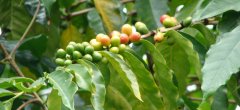
Venezuela is grown in San Cristobal Montibelo Coffee in Tazira.
The distinctive manor coffee comes from this oil-rich country. Oil was once considered to be the main export of Venezuela. Although coffee trees were introduced from Martinique in 1730 and Venezuela, coffee production was almost abandoned at the height of the oil industry. Recently, coffee plantations have begun to recover, with the original planting of Tipica and

Introduction of Venezuelan coffee beans with smooth taste and sweet taste
Venezuelan Coffee Coffee Venezuela's distinctive manor coffee comes from this oil-rich country. Oil was once considered to be the main export of Venezuela. Although coffee trees were introduced from Martinique in 1730 and Venezuela, coffee production was almost abandoned at the height of the oil industry. Recently, coffee plantations have begun to resume.

The delicious and light Venezuelan coffee producing area introduces San Cristobal
One of the many plantations in Merida at the foot of the Andes belongs to the Pablo and Pulido families, an ancient farm that has been allowed to downsize. Since taking over the farm in the early 1980s, the Pulido family has harvested coffee from existing bourbon coffee trees and planted new tree species.

The San Cristobal producing area of the coffee farm in Venezuela
Venezuelan Coffee Coffee Venezuela's distinctive manor coffee comes from this oil-rich country. Oil was once considered to be the main export of Venezuela. Although coffee trees were introduced from Martinique in 1730 and Venezuela, coffee production was almost abandoned at the height of the oil industry. Recently, coffee plantations have begun to resume.

Venezuelan coffee is delicious and light, with less sour taste than traditional coffee.
Oil was once considered to be the main export of Venezuela. Although coffee trees were introduced from Martinique in 1730 and Venezuela, coffee production was almost abandoned at the height of the oil industry. Recently, coffee plantations have begun to recover, with original Tipica and bourbon coffee trees and new plantations laying the foundation for coffee exports.
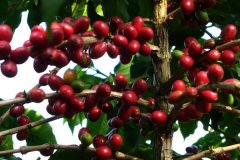
The best coffee producing area in Venezuela is the southwestern state of Tazira.
Venezuela oil was once considered the main export of Venezuela (Venezuela). Although coffee trees were introduced from Martinique in 1730 and Venezuela, coffee production was almost abandoned at the height of the oil industry. Recently, coffee plantations have begun to recover, with the original Tipica and bourbon coffee trees and new plantations for coffee.
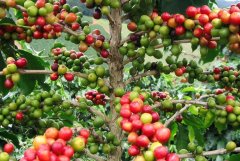
The characteristic manor coffee comes from this oil-rich country, Venezuelan coffee
Oil was once considered to be the main export of Venezuela. Although coffee trees were introduced from Martinique in 1730 and Venezuela, coffee production was almost abandoned at the height of the oil industry. Recently, coffee plantations have begun to recover, with original Tipica and bourbon coffee trees and new plantations laying the foundation for coffee exports.

Introduction to Venezuelan coffee with smooth taste and sweet taste
The distinctive manor coffee comes from this oil-rich country. Oil was once considered to be the main export of Venezuela. Although coffee trees were introduced from Martinique in 1730 and Venezuela, coffee production was almost abandoned at the height of the oil industry. Recently, coffee plantations have begun to recover, with the original planting of Tipica and

Venezuelan coffee is recommended from the producing area of boutique coffee beans.
The distinctive manor coffee comes from this oil-rich country. Oil was once considered to be the main export of Venezuela. Although coffee trees were introduced from Martinique in 1730 and Venezuela, coffee production was almost abandoned at the height of the oil industry. Recently, coffee plantations have begun to recover, with the original planting of Tipica and

Introduction to Galapagos Islands Coffee with rich taste, sweet in sour and medium roast
Flavor: taste rich, sour and sweet suggested baking method: medium roasting ★★★: excellent Galapagos Islands Coffee Market: due to the unique role of the Galapagos Islands in the historical process, the Ecuadorian government has turned the Galapagos Islands into a national park, no longer allowed to reclaim the land for new agricultural land, and strictly forbids the introduction and use of chemical fertilizers, pesticides and herbicides

Venezuela's distinctive manor coffee comes from this oil-rich country.
The distinctive manor coffee comes from this oil-rich country. Oil was once considered to be the main export of Venezuela. Although coffee trees were introduced from Martinique in 1730 and Venezuela, coffee production was almost abandoned at the height of the oil industry. Recently, coffee plantations have begun to recover, with the original planting of Tipica and

Venezuela's distinctive manor coffee comes from this oil-rich country.
The distinctive manor coffee comes from this oil-rich country. Oil was once considered to be the main export of Venezuela. Although coffee trees were introduced from Martinique in 1730 and Venezuela, coffee production was almost abandoned at the height of the oil industry. Recently, coffee plantations have begun to recover, with the original planting of Tipica and

The characteristics of Venezuelan coffee the present situation of the manor San Cristobal
The distinctive manor coffee comes from this oil-rich country. Oil was once considered to be the main export of Venezuela. Although coffee trees were introduced from Martinique in 1730 and Venezuela, coffee production was almost abandoned at the height of the oil industry. Recently, coffee plantations have begun to recover, with the original planting of Tipica and

Introduction to Hawaiian Kona Coffee with smooth taste and sweet taste
Venezuelan Coffee Coffee Venezuela's distinctive manor coffee comes from this oil-rich country. Oil was once considered to be the main export of Venezuela. Although coffee trees were introduced from Martinique in 1730 and Venezuela, coffee production was almost abandoned at the height of the oil industry. Recently, coffee plantations have begun to resume.